

I. CERTIFIED PACKAGING FOR HAZARDOUS MATERIALS
The transportation of hazardous materials is a critical and complex aspect of modern logistics, involving a multitude of factors such as regulation, safety, the environment, and technology. The significance of this activity is underscored by its role in sustaining our daily way of life, from the fuel powering our vehicles to the chemicals essential for various industries.
This practical guide has been developed to provide the most comprehensive and detailed overview possible on the various aspects of hazardous materials transportation. It aims to educate, inform, and guide professionals manufacturing or using hazardous materials or sensitive substances, logistics specialists, transportation companies, and any other stakeholders involved in this complex process.
Understanding the Complexities of Hazardous Materials Transportation
The Fundamentals of Hazardous Materials Transportation:
This section delves into the definitions of hazardous materials, the international and national regulations governing them, and the responsibilities of various stakeholders involved. Particular attention will be paid to the identification and classification of hazardous materials, crucial for their safe handling and transportation.
Certified Packaging:
Detailing the types of packaging used for the transportation of hazardous materials, with a special focus on aluminum solutions, our area of expertise. This part will address the advantages, specifications, and standards related to these packaging’s, highlighting why and how they ensure optimal safety.
Testing and Certification:
Here, we will discuss the testing and certification processes for packaging, essential to ensure compliance with safety standards. A focus will be placed on understanding and interpreting UN numbers, a critical aspect to ensure adherence to regulatory standards.
Tournaire and Its Innovative Solutions:
Introducing Tournaire, a leader in the field of UN certified aluminum packaging solutions. We will explore how Tournaire integrates innovation, performance, sustainability, support, and a global presence into its products and services.
Through this guide, we hope to not only provide essential information but also promote best practices, thus contributing to a safer and more responsible hazardous materials transportation industry. This article does not replace the internal rules specific to the company or the local, regional, or international regulations, which have the force of law. This guide is provided for informational purposes only and does not imply liability on the part of Tournaire.
II. THE FUNDAMENTALS OF HAZARDOUS MATERIALS PACKAGING AND TRANSPORTATION
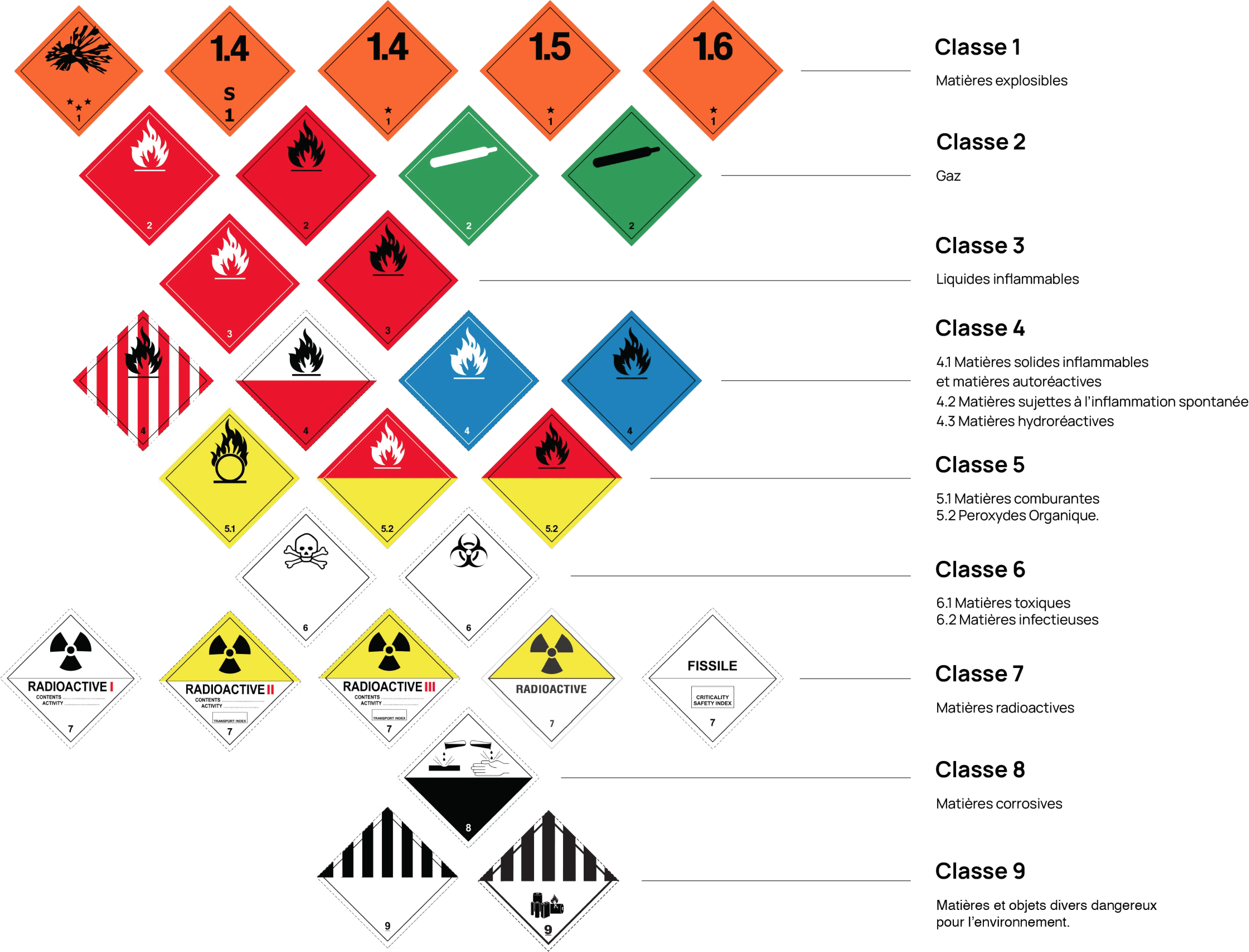
Definitions and Regulations
The transport of hazardous materials is a vital aspect of modern industry, impacting a wide range of sectors, from energy production to chemical and pharmaceutical manufacturing. Due to their inherently sensitive properties, these materials require strict safety measures established by national and international regulations, particularly for their storage and transportation. This section outlines hazardous materials, their classification, their role in industry, and the importance of ensuring their safety during transport.
What is a hazardous material?
A hazardous material is any substance that may pose a significant risk to health, safety, or the environment when not handled or transported properly. These substances are classified into different categories based on their nature and the type of hazard they present. Categories include explosive, flammable, toxic, corrosive, and radioactive substances, among others. These classifications are essential for determining the appropriate safety measures and transport protocols.
Role of hazardous materials in industry
Hazardous materials play a crucial role across numerous industries. For example, chemicals used in pharmaceutical manufacturing are often classified as hazardous due to their toxicity, particularly in concentrated forms. Similarly, the oil and gas industries rely on the safe transport of flammable and explosive substances. Lithium batteries, widely used in electronic devices and vehicles, are another example of hazardous materials due to their potential for spontaneous ignition.
Importance of safe transport
The transport of these materials presents unique challenges and requires a high level of responsibility, along with a rigorous Quality organization to ensure regulatory compliance. Improper transport can lead to serious accidents, environmental damage, and significant economic losses. It is therefore imperative to comply with strict standards, such as those established by the European Agreement concerning the International Carriage of Dangerous Goods by Road (ADR), as well as regulations issued by other national and international regulatory bodies.
Safety in the transport of hazardous materials goes beyond accident prevention. It also includes protecting workers, surrounding communities, and the environment. This involves proper staff training, the use of certified approved packaging, compliance with transport quantity limits, and the implementation of emergency procedures in the event of an incident.
In summary, sensitive or hazardous materials are omnipresent in modern industry, and their safe transport is essential for accident prevention and environmental protection. This reality highlights the importance of understanding the fundamentals of hazardous materials transportation.
KEY REGULATIONS GOVERNING THE TRANSPORT OF HAZARDOUS MATERIALS
The transport of hazardous materials is governed by strict regulations at international (UN), regional (EU), and national levels. These standards are essential to ensure the safety of people, protect the environment, and prevent risks associated with transporting such substances. In this section, we review the main regulatory frameworks, with a focus on ADR (European Agreement concerning the International Carriage of Dangerous Goods by Road) and other relevant regulations.
ADR: An International Standard
Created in 1957 and regularly updated (latest revisions in force as of 2023), ADR is a primarily European agreement (with around 50 contracting countries) establishing international guidelines for the road transport of hazardous materials. Its objective is to harmonize safety rules across member countries, ensuring consistent practices and reducing the risk of accidents. More information is available via the United Nations / UNECE platform, which centralizes the various regulatory texts.
- Classification of Hazardous Materials: ADR defines 9 different hazard classes, ranging from explosives to radioactive materials. This classification is essential for determining appropriate safety measures.
- Packaging and Labeling Requirements: ADR sets specific standards for the packaging and labeling of hazardous materials, ensuring that risks are clearly communicated and that packaging is robust and secure.
- Personnel Training: The agreement emphasizes proper training for drivers and all personnel involved in the transport and handling of hazardous materials, including risk awareness and knowledge of emergency procedures.
- Transport Documentation and Procedures: ADR requires detailed documentation to accompany hazardous shipments, describing the nature of the goods, precautionary measures, and emergency contact information.
Other National and International Regulations
In addition to ADR, several other agreements and regulatory bodies oversee the transport of hazardous materials:
- RID (Regulations concerning the International Carriage of Dangerous Goods by Rail): Similar to ADR but specific to rail transport.
- IMDG Code (International Maritime Dangerous Goods Code): Governs the maritime transport of hazardous materials.
- IATA and ICAO (Air Transport): Establish standards for the transport of dangerous goods by air.
- National Regulations: Each country may implement its own laws that complement or reinforce international standards such as ADR (for example, formerly under DOT regulations in the United States)
Impact on Safety and Risk Prevention
Strict enforcement of these regulations significantly enhances the safety of hazardous materials transport. By establishing clear and harmonized standards, they help prevent accidents and incidents while protecting workers, the public, and the environment. They also facilitate international trade by providing a common framework for cross-border transportation of hazardous substances.
In conclusion, regulations such as ADR play a crucial role in securing the transport of hazardous materials. They form the cornerstone of a safer and more responsible global and local transport system, essential for the effective management, handling, and secure transportation of high-risk materials.
CLASSIFICATION OF HAZARDOUS MATERIALS
The classification of hazardous materials is a key element in managing the risks associated with their transport. It enables rapid identification of the nature of hazards and the implementation of appropriate preventive and emergency response measures. The different classes define specific risk categories, guiding decisions related to packaging, storage, transportation, and handling of these substances.
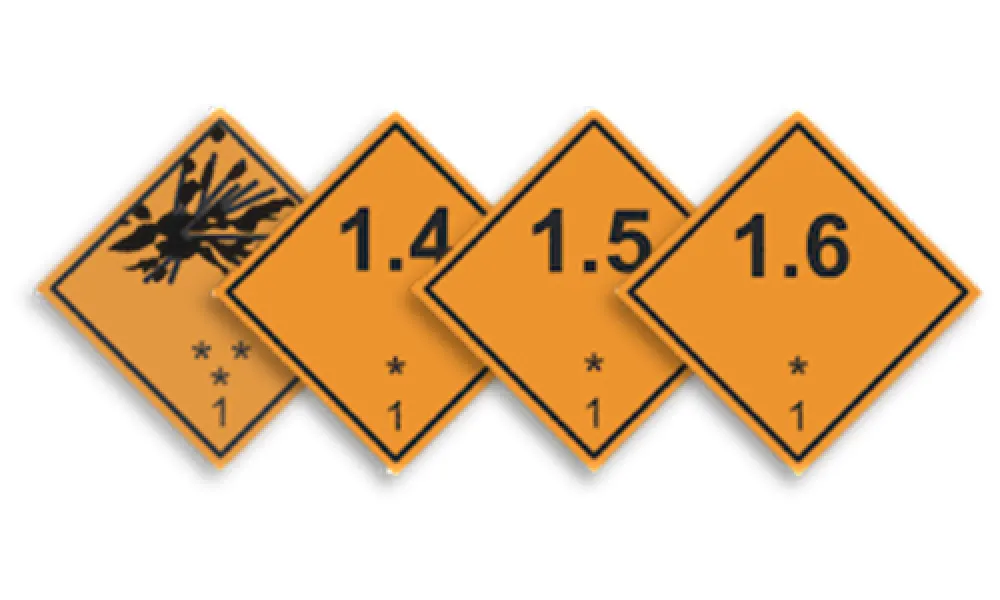
Class 1: Explosive substances and articles
Definition: Substances, derivatives of substances, or combinations of substances that, through a chemical reaction, can release gases at high speed, pressure, and temperature, creating an explosion hazard. These materials require specific packaging to minimize risks.
Subclasses:
- Mass explosion hazard
- Projection hazard without mass explosion risk
- Fire hazard with minor blast or projection effects
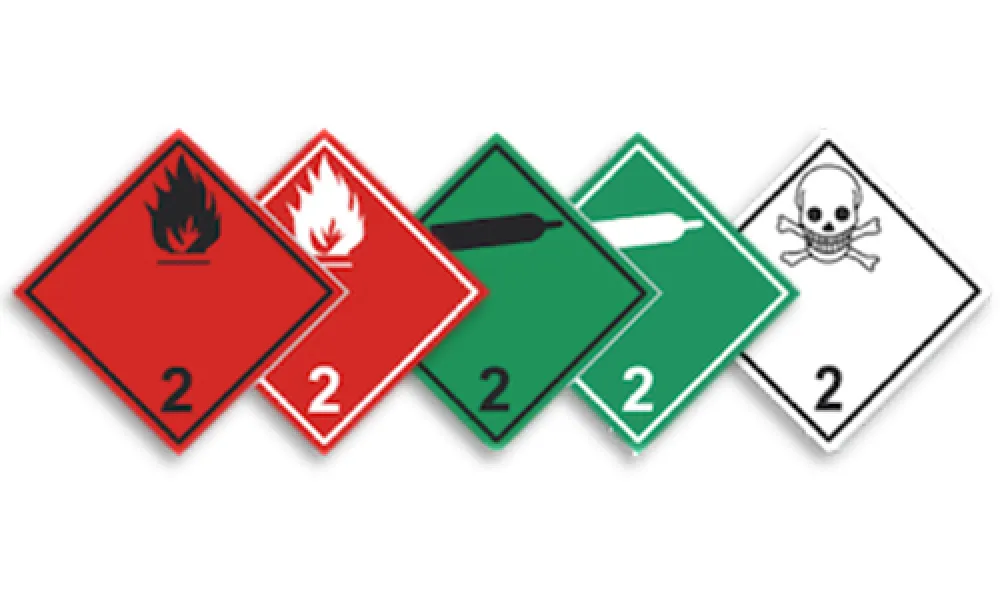
Class 2: Gases
Definition: Compressed, liquefied, or dissolved gases under pressure, presenting various hazards depending on their flammability, toxicity, or asphyxiation risk.
Subclasses:
- Flammable gases that can ignite rapidly
- Non-flammable, non-toxic gases that may cause asphyxiation
- Toxic gases that can cause serious health effects
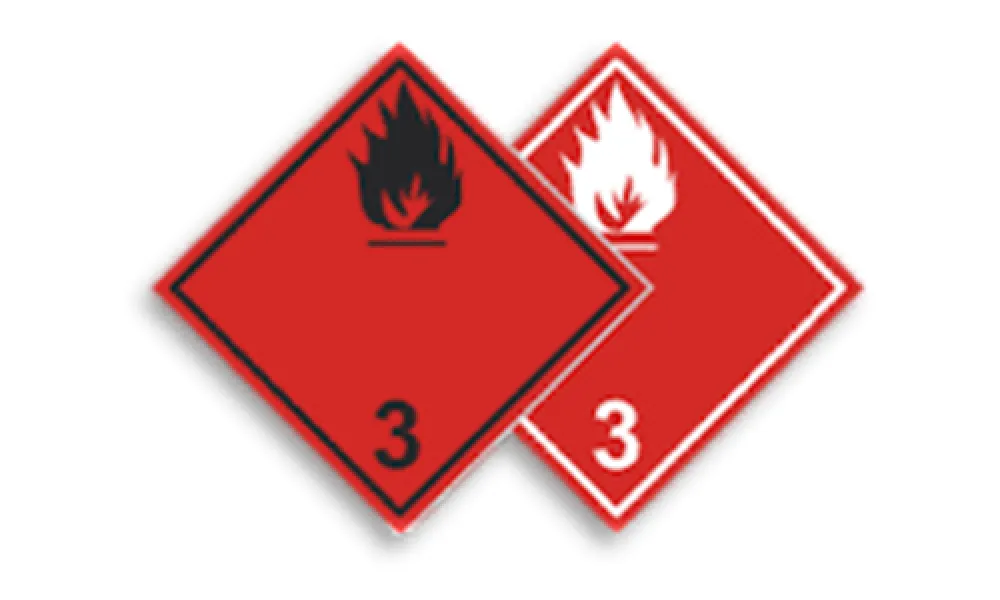
Class 3: Flammable liquids
Definition: Liquids or mixtures that release flammable vapors at temperatures below 60°C, posing a fire risk.
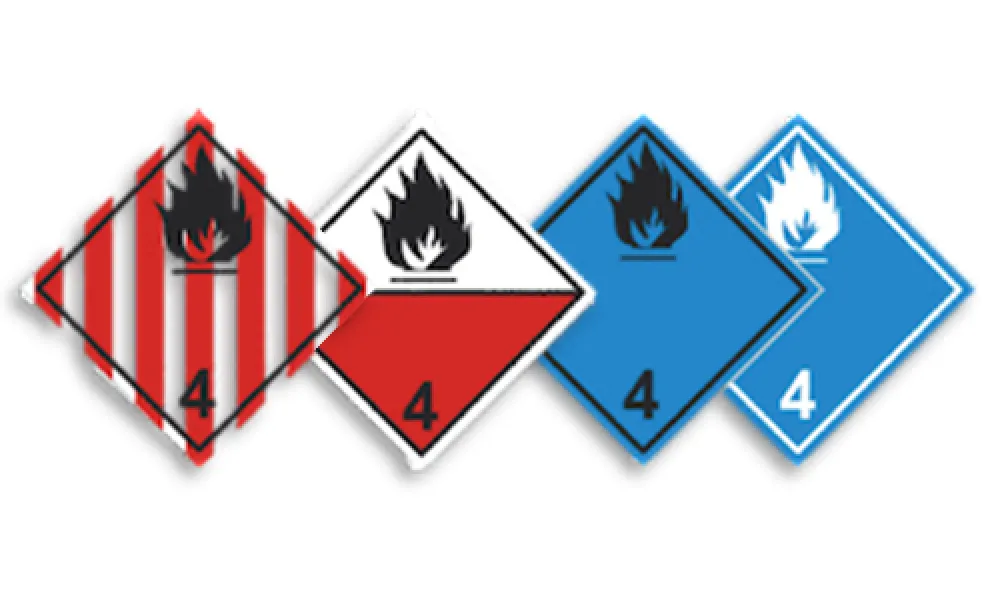
Class 4: Flammable solids and substances dangerous when in contact with water
Subclasses:
- Flammable solids: Solid substances that can easily ignite under normal conditions after brief contact with an ignition source and continue to burn after the source is removed.
- Substances liable to spontaneous combustion: Substances that can ignite spontaneously.
- Substances which, in contact with water, emit flammable gases: Substances that, by reacting with water, are capable of releasing flammable gases.
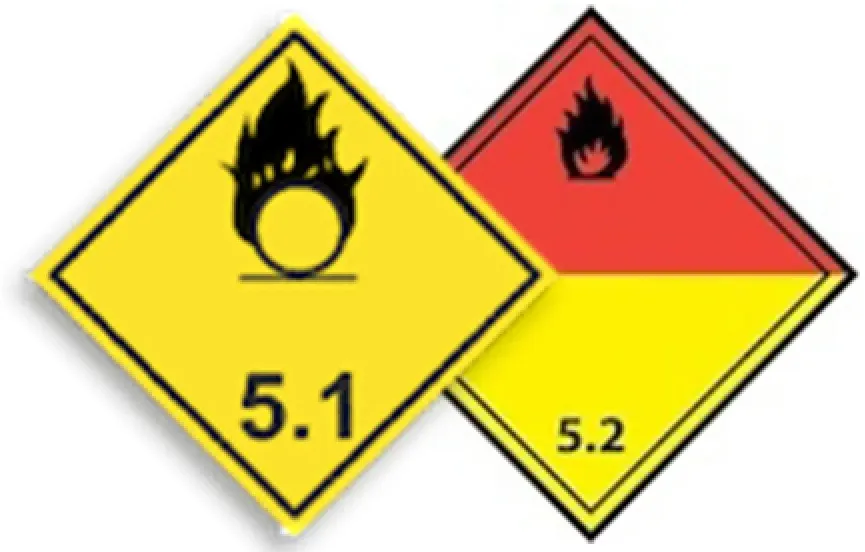
Class 5: Oxidizing substances and organic peroxides
Subclasses:
- Oxidizing substances: Substances that may cause or intensify a fire by releasing oxygen. They may also react violently with other substances, particularly flammable materials.
- Organic peroxides: Organic compounds containing the bivalent -O-O- structure. They are thermally unstable and may undergo self-accelerating exothermic decomposition. Some may be sensitive to shock or friction.
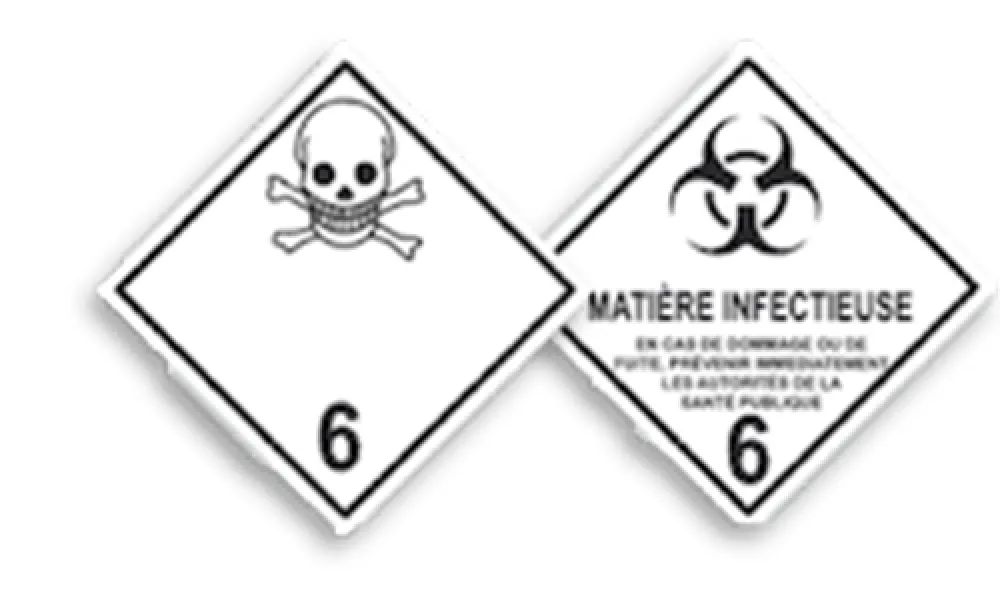
Class 6: Toxic and infectious substances
Subclasses:
- Toxic substances: Substances liable to cause acute or chronic effects, or even death, if ingested, inhaled, or in contact with skin.
- Infectious substances: Substances containing pathogens (bacteria, viruses, parasites, fungi) capable of causing disease in humans or animals.
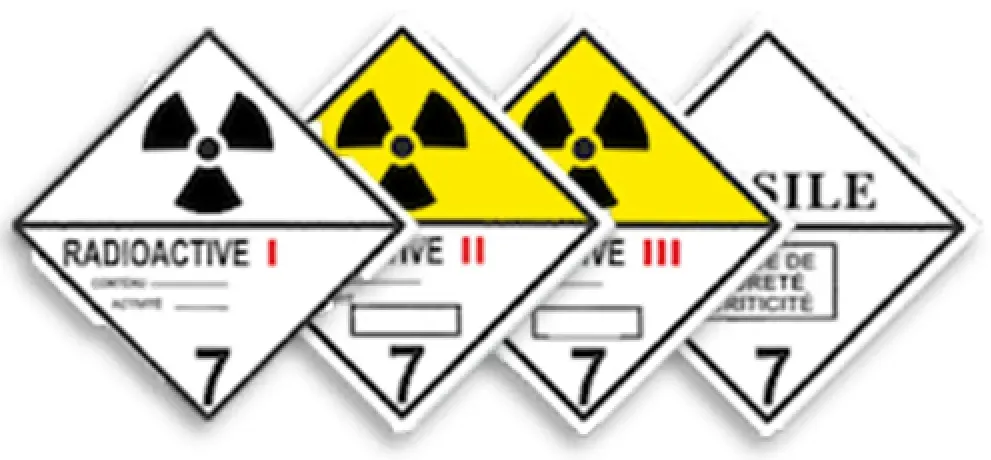
Class 7: Radioactive material
Definition: Materials containing radionuclides whose concentration or activity exceeds exemption levels.
Class 8: Corrosive substances
Definition: Substances capable of causing severe damage to living tissues and corroding metals.

Class 9: Miscellaneous dangerous substances and articles
Definition: Substances and articles presenting various hazards that do not meet the criteria of the other classes.

Importance of classification for safety
Accurate classification of hazardous materials plays a crucial role in accident and incident prevention. It directly influences preparation methods, packaging and transport requirements, as well as emergency response procedures. Understanding and complying with this classification system is essential for all stakeholders involved in the hazardous materials transport chain.
III. CERTIFIED PACKAGING FOR HAZARDOUS MATERIALS
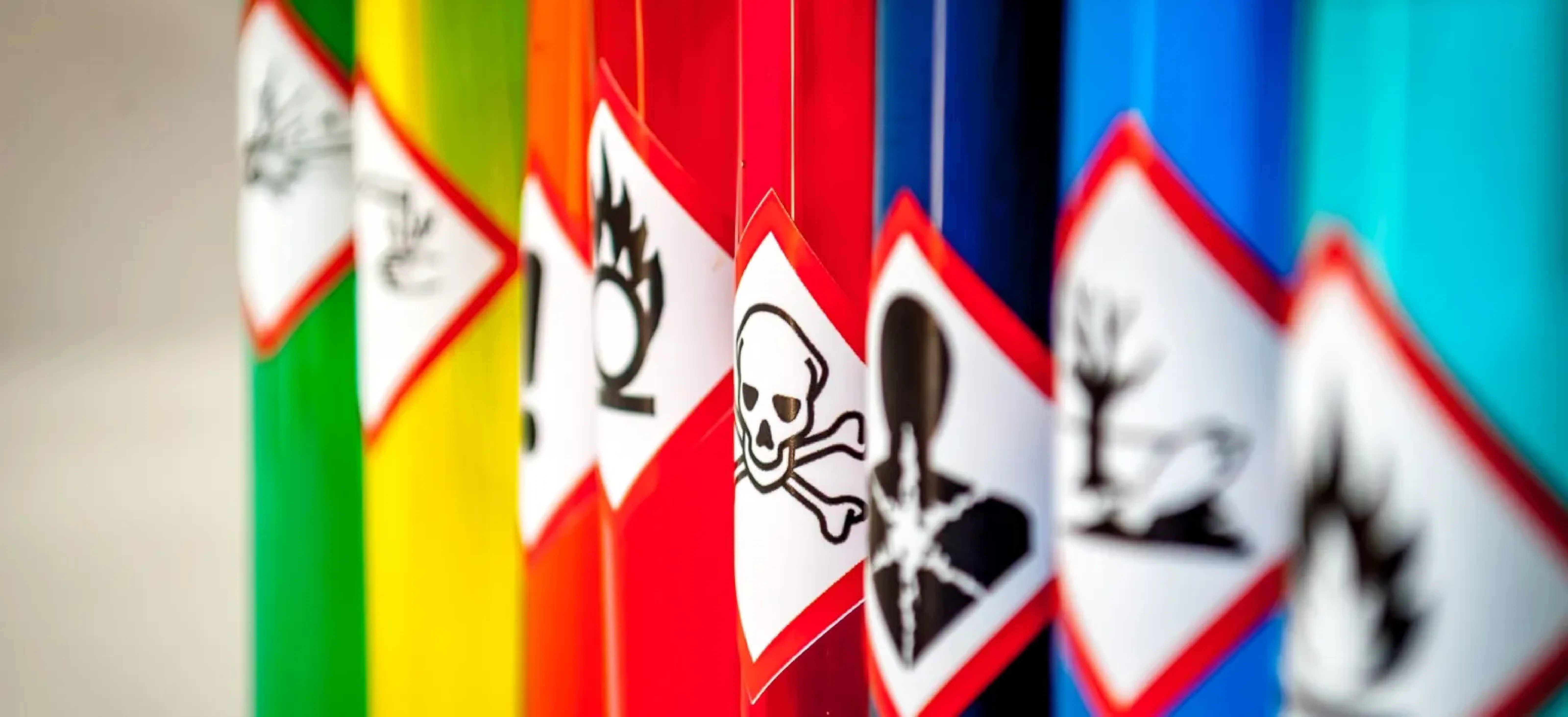
The safe transport of hazardous materials requires the use of approved packaging specifically designed to minimize the risks associated with these substances. Substances of different natures,solid or liquid, can be certified for transport across the 9 hazard classes.
Types of certified packaging
Type A packaging:
Primarily used for the transport of radioactive materials that do not generate significant heat. According to the specifications of the International Atomic Energy Agency (IAEA), they are designed to withstand normal transport conditions without releasing radioactive contents.
Type B packaging:
Intended for more hazardous radioactive materials, such as those used in nuclear reactors. These packages are designed to withstand severe transport accidents, including fires, immersion in water, and drops. IAEA regulations set strict design and testing criteria.
Type C packaging:
Specifically designed for air transport, these packages are used for highly radioactive materials. They must meet extremely stringent requirements, including resistance to high pressure and extreme temperatures.
Drums, jerricans, and IBC containers:
These versatile packages are used for various classes of hazardous materials. Their design varies depending on the nature of the contents, drums for liquids, jerricans for smaller volumes, and IBC containers for larger capacities. They are selected based on material, capacity, and resistance to transport conditions.
Aluminum packaging:
Aluminum offers unique advantages for transporting hazardous materials. It is strong, lightweight, corrosion-resistant, and ensures excellent tightness and container integrity. These properties make aluminum packaging ideal for a wide range of hazardous materials, from flammable liquids to corrosive substances.
STANDARDS AND CERTIFICATION OF PACKAGING FOR HAZARDOUS MATERIALS
Selection and adaptation of packaging
The choice of packaging for hazardous materials is guided by product flows, the type of substance being packaged, and its final use. Depending on requirements, different types of packaging and certifications are used.
For example, bulk chemicals require Intermediate Bulk Containers (IBCs) of 1,000 L that are transported without overpack, with “single packaging” certification. In contrast, finished products are often shipped in “combination packaging,” such as metal bottles placed inside outer cartons for transport. In this case, the entire system, carton and inner container, is certified as a whole.
“Single packaging” certification requires higher performance criteria. Recently, for sensitive products and medium-sized packaging, it has become common to obtain both single and combination certifications, even when the packaging is always transported in cartons. This dual certification is considered an additional safety guarantee, particularly at the end of the logistics chain, and represents a strong commercial advantage.
Each industry, particularly in the chemical and pharmaceutical sectors, integrates Dangerous Goods Transport (DGT) regulations into packaging specifications, requiring consistent expertise and certified suppliers.
Packaging testing and certification
Packaging intended for the transport of hazardous materials, as well as packaging manufacturers themselves, are subject to a rigorous certification process to ensure compliance with international safety standards. These two processes are essential to guarantee that packaging can withstand the challenges and constraints of transport environments without compromising the safety of people or the environment.
Only officially state-recognized bodies are authorized to issue Approval Certificates, which are mandatory for the transport of dangerous goods and for conducting audits of certificate holders. When purchasing or marketing certified packaging, it is crucial to verify that Approval Certificates are valid and up to date.
Initially, each package is tested for drop resistance, leak tightness, and its ability to withstand internal pressure. These tests are of critical importance, especially for aluminum packaging, selected for its lightweight properties and corrosion resistance, which is frequently used in the transport of hazardous materials.

Before testing, careful selection of packaging types, sizes, and overpacks is carried out according to the product flow and the type of hazardous material to be transported (solid, liquid, gas). This choice also depends on the classification of the packaged product and its final use. The range of packaging and overpacks is vast. For bulk transport, Intermediate Bulk Containers (IBCs) such as 1,000 L pallet boxes are commonly used, as well as metal drums ranging from 30 L to 200 L. For smaller flows of sensitive materials, aluminum jerricans and bottles from 5 L to 32 L are frequently selected. For finished products, smaller packaging formats such as metal bottles and containers are used and may be grouped in cartons to protect them during transport.
A key step in the process is determining the UN number for each chemical component of the product. These codes can be found in tables within ADR and other regulations. They define the constraints associated with the product and its packing group.
- Group I: Highly dangerous substances
- Group II: Moderately dangerous substances
- Group III: Low-danger substances
In France, accredited laboratories such as APAVE, BVT, LNE and LEREM play a decisive role in packaging certification. A list of approved bodies can be consulted on the website of the Ministry of Ecology. Only these accredited laboratories are authorized to issue Certificates of Conformity and UN Approval Certificates that are recognized worldwide.
Once the tests have been successfully completed, an Approval Certificate with its unique UN marking is assigned to the single or combination packaging. It specifies the materials, types and components of packaging, assembly method, packing group, maximum permitted density and pressure, as well as other crucial technical information. This Certificate and UN marking guarantee compliance and reliability for end users, carriers and authorities in each country crossed during transport.
The certification process and compliance with the instructions detailed in the Approval Certificate ensure that packaging used for the transport of hazardous materials is suitable for its contents and its mode of transport, thereby reducing the risk of accidents or contamination. It is essential that these procedures are rigorously followed to maintain the high safety standards required in the field of hazardous materials transport.
This certification process for packaging and packaging suppliers ensures that packaging meets not only safety requirements but also the specific needs of industries that depend on these materials for their daily operations.
The renewal of UN certifications is a mandatory step to ensure the continued compliance of packaging dedicated to hazardous materials transport. These certifications, generally valid for five years, must be renewed to guarantee adherence to the latest safety standards. This process involves periodic testing and reassessment of packaging to confirm its strength and integrity. Regular monitoring is essential to maintain high quality and safety standards and to adapt to technological and regulatory developments within the sector.
UNDERSTANDING UN NUMBERS
After testing, laboratories assign a UN marking on the Approval Certificate. This marking must appear, together with the hazard pictograms, on the primary packaging for single packaging approval and on the outer carton for combination packaging.
This UN marking encodes essential information that must be clearly understood and carefully controlled to ensure full compliance with the transported product.

For example, in the case shown above, next to the UN logo appears the marking “1B1/Y1,2/250/21/F/BVT 202121/TOU.” This must be decoded as follows:
- The type of packaging, for example 1B1 for a partially open-head aluminum packaging
- The packing group, with X for Groups I, II, or III; Y for Groups II and III; and Z for Group III only
- The relative density, here 1.2, or the maximum authorized mass for solid substances under solid product approvals
- The test pressure in kPa, here 250, meaning 2.5 bar
- The year of manufacture, here 2021
- The country of manufacture, here F for France
- The identification of the laboratory, here BVT, which carried out the tests, along with the test report number
- The identification of the manufacturer, here “TOU” for Tournaire
Each segment of this marking therefore provides essential information about the physical limits of the product to be packaged and the compliance of the packaging, ensuring the safe and regulatory transport of hazardous materials.
WHICH PARTNER FOR THE TRANSPORT OF YOUR HAZARDOUS MATERIALS?
The transport of hazardous materials is a demanding field that requires highly qualified partners, certified by governmental authorities, capable of mastering the specific technical and regulatory constraints of this sector. These partners must have in-depth knowledge of the various types of packaging and overpacks, as well as of the transported products, and must remain constantly up to date with UN and ADR regulations, or even anticipate them in the event of major regulatory changes.
When selecting a supplier for hazardous materials packaging, you may choose either a manufacturer or a distributor, depending on your specific needs. A distributor offers a wide range of certified packaging available from stock and provides the necessary Approval Certificates, ensuring the validity and compliance of the packaging used.
Manufacturers, with their advanced technical expertise, are deeply rooted in the industry through long-standing experience or specialization in specific packaging categories and materials. These experts offer a broad portfolio of certified packaging while also developing tailor-made solutions to meet specific requirements. Thanks to their in-depth knowledge of current and emerging standards, manufacturers do not merely comply with regulations, they anticipate them, enabling proactive adaptation to industry developments. This forward-looking approach is reinforced by regular inspections carried out by accredited bodies and customer audits, ensuring strict adherence to the highest quality and safety standards.
IV. TOURNAIRE – LEADER IN CERTIFIED ALUMINUM PACKAGING SOLUTIONS FOR HAZARDOUS MATERIALS
Our history and experience
Founded in 1833, Tournaire is recognized for its expertise in aluminum packaging solutions, particularly for the transport of hazardous materials. Innovation lies at the heart of its strategy and is reflected in its forward-thinking approach to metal forming and surface treatment. This technical expertise enables the development of packaging solutions that meet the most stringent safety and performance requirements.
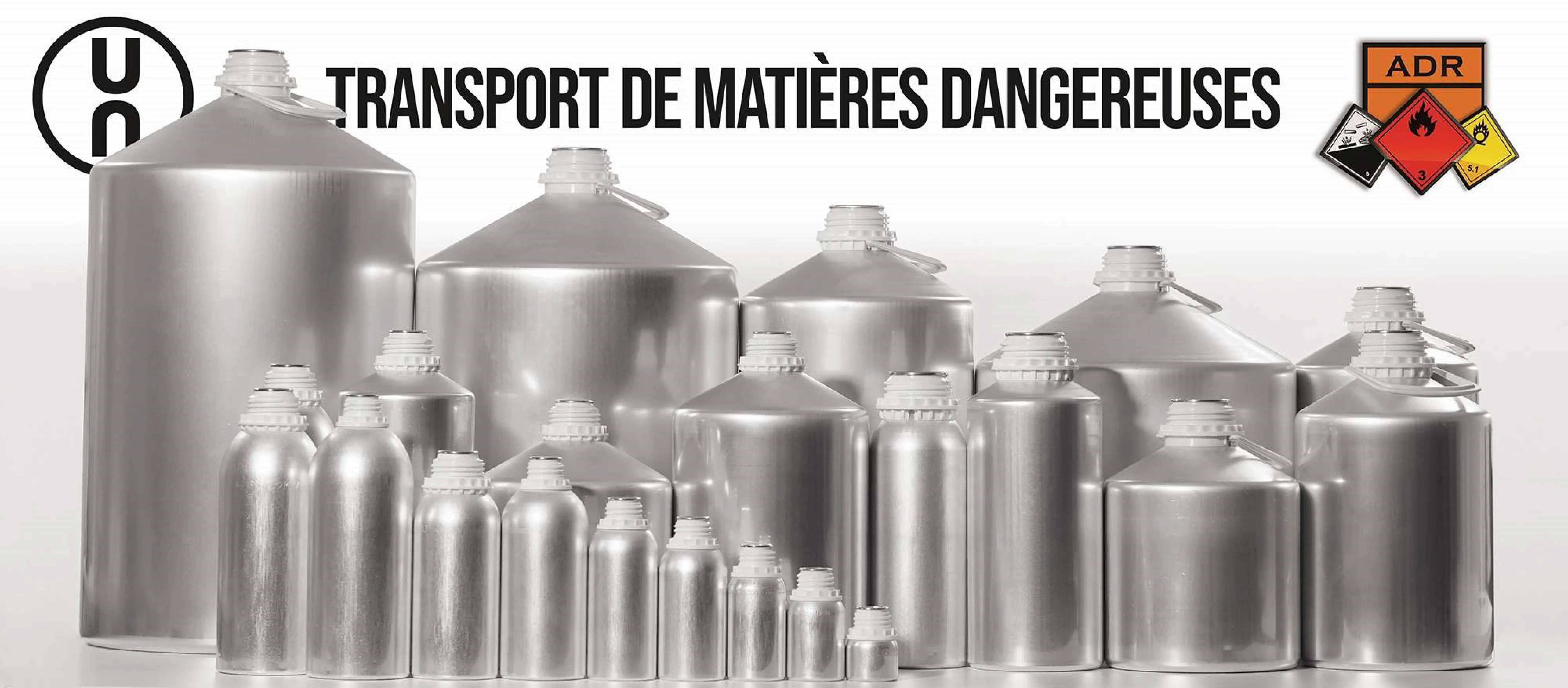
Tournaire’s reputation is built on its commitment to excellence and quality, embodied in its fully integrated packaging solutions developed in-house, including both containers and closures, ensuring unmatched performance levels. Monobloc aluminum packaging, designed to be lightweight and highly resistant, provides an optimal solution for the safe transport of hazardous materials. This integrated approach effectively minimizes the risk of leaks or contamination, ensuring enhanced safety and exceptional integrity of the transported contents.
Our commitment
Tournaire’s commitment to sustainability and corporate social responsibility is deeply embedded in its operations. Protecting people and products lies at the heart of this approach, recognizing that securing hazardous materials directly contributes to environmental protection. In doing so, Tournaire works not only for immediate safety but also for the preservation of the environment for future generations.
Tournaire’s customer service stands out for its excellence, providing comprehensive support ranging from material selection and compatibility testing to regulatory assistance. Equipped with an in-house laboratory, Tournaire conducts regular testing on its production to ensure flawless quality, automatically inspecting each product to prevent leaks and manufacturing defects. Its ability to maintain significant stock levels and adaptive logistics ensures continuous availability of packaging solutions, a decisive advantage in the field of hazardous materials transport.
Its global presence, supported by a long-standing history and ISO 9001 and ISO 14001 certifications, reflects its expertise and reliability. Tournaire distinguishes itself through its ability to offer tailor-made solutions for the transport of sensitive materials, strictly complying with UN, ADR, and other international regulations to ensure safe and compliant transport.
Who are we?
In summary, Tournaire embodies the balance between innovation, technical expertise, social responsibility, and a strong commitment to quality and sustainability. Its comprehensive approach to hazardous materials transport, focused on safety, performance, and environmental protection, positions the company as a partner of choice in this demanding sector.
VII. CONCLUSION
Managing the transport of hazardous materials is a major challenge for safety, environmental preservation, and the protection of the value of packaged products. We hope this purely informational guide has shed light on the importance of a thorough understanding of every aspect of this complex process. It extends from the classification and regulation of hazardous materials to strict packaging and certification requirements. By emphasizing the importance of selecting appropriate packaging, particularly aluminum solutions for their strength and safety, we have highlighted the need to choose compliant solutions that meet regulatory requirements, as well as the right partner.
Tournaire, with its rich history and recognized expertise in the manufacture of monobloc aluminum packaging, stands as a key partner in addressing the challenges related to the transport of hazardous materials. Its commitment to innovation, quality, sustainability, and social responsibility reflects its mission to protect not only hazardous substances themselves but also the people and environment surrounding them.
Ultimately, understanding and effectively managing the transport of hazardous materials is crucial to ensuring safety and preserving our planet. At Tournaire, we are committed to supporting our customers in meeting these challenges by providing reliable and innovative packaging solutions tailored to their specific needs. Our expertise, built on more than 190 years of experience, is the guarantee of a strong and lasting partnership for a safer and more responsible future.
GLOSSARY
Materials
Hazardous material: A substance likely to pose a significant risk to health, safety, or the environment if not properly handled or transported.
Explosive / Flammable / Toxic / Corrosive / Radioactive substances: Categories of hazardous materials classified according to the nature of the risk they present
Transport
ADR (European Agreement concerning the International Carriage of Dangerous Goods by Road): International agreement governing the road transport of hazardous materials, aimed at standardizing safety regulations at the European level.
IMDG (International Maritime Dangerous Goods Code):International regulations governing the maritime transport of hazardous materials.
IATA (International Air Transport Association): International organization establishing standards for air transport, including the transport of hazardous materials.
RID (Regulations concerning the International Carriage of Dangerous Goods by Rail): Regulation governing the rail transport of hazardous materials, similar to ADR but specific to rail transport.
Certified packaging
Approved packaging: A container designed to transport hazardous materials, certified as compliant with international safety standards.
Monobloc packaging: A type of packaging manufactured in a single piece, without joints or welds, offering enhanced safety and integrity for the contents.
UN number (United Nations): Unique identification code assigned to each hazardous substance, defining its nature and associated risks.
IBC (Intermediate Bulk Container): Large container used for the bulk transport and storage of liquids, solids, or semi-solids.
Type A / B / C packaging: Categories of packaging for radioactive materials, classified according to their resistance and ability to withstand extreme conditions.
ISO certification: International standard indicating that an organization complies with quality and environmental management requirements.
Cleanliness (Three levels at Tournaire):
Microbiological cleanliness: Monitoring and control of living contaminants to ensure sterility.
Chemical cleanliness: Monitoring of chemical pollutant levels to maintain unmatched chemical purity.
Particulate cleanliness: Monitoring of particles of significant size to ensure content purity.
Tightness: The ability of packaging to prevent leaks or exposure of its contents.
Pressure resistance: The ability of packaging to withstand internal or external pressure without failure.
Compliance and performance: For Tournaire, regulatory compliance is considered a minimum requirement. The company goes beyond this by focusing on performance and applying additional safety margins to provide peace of mind for customers. Tournaire also anticipates future, stricter standards, ensuring its clients remain compliant and ahead of regulatory requirements.
Tamper-evidence and anti-counterfeiting: Packaging features designed to prevent unauthorized opening or falsification of the contents.
Environment
Sustainability: The practice of using resources in a way that does not compromise the needs of future generations.
Corporate social responsibility: A company’s commitment to operating ethically and contributing to economic development while improving the quality of life of employees and society.
Life cycle assessment: Evaluation of a product’s environmental impact throughout its entire lifespan, from production to disposal.
REFERENCES
- International Atomic Energy Agency (IAEA) for the design criteria of Type A, B, and C packaging.
- Aluminum properties based on studies in metallurgy and materials engineering.
- Regulations governing the Transport of Dangerous Goods (TDG).
- Packaging approval procedures conducted by accredited laboratories (BVT, LNE, LEREM, BAM).
- International standards concerning UN codes for hazardous materials packaging.
- Regulations on the transport of dangerous goods – Ministry for the Ecological Transition (France).
- Hazardous materials – TDG Bretagne.
- The 9 classes of hazardous materials – CCOHS (Canadian Centre for Occupational Health and Safety).
- Regulation (EU) 2020/878 – EUR-Lex.
- Official website of the European Commission.
- Official website of the United Nations.
- Official website of IATA.
These sources provide detailed and up-to-date information on regulations and best practices related to the transport of hazardous materials, ensuring a solid foundation for understanding the complexities of the sector.