
PPWR, REACH, CLP, Regulation (EC) No. 10/2011, the ban on Bisphenol A and Teflon… The packaging sector for perfumes and flavors (F&F) is evolving within an increasingly demanding regulatory framework. For packaging manufacturers as well as their clients, the choice of packaging material is becoming a strategic issue: it must ensure chemical compatibility with precious and sometimes aggressive raw materials, while complying with particularly short compliance deadlines. An overview of the key challenges and best practices.
1. An ever-evolving regulatory framework for packaging perfumes and flavors
Aujourd’hui, la pression normative pèse sur un métier dont le savoir-faire s’est construit au fil des siècles.Today, regulatory pressure weighs on a profession whose expertise has been built up over centuries.
Whether it concerns the European regulation on packaging and packaging waste, known as the PPWR (Packaging and Packaging Waste Regulation), applicable in July 2026, or regulations on food contact materials (such as the ban on Bisphenol A and Teflon used in the packaging industry for food contact), the focus on health risks makes the choice of packaging material for perfumes and flavors increasingly complex.
Two parameters are putting the sector under pressure
Regarding the time available to carry out testing, major users of F&F raw materials may have up to 3,000 references, each with a specific use.
Fortunately, to facilitate testing, lawmakers have defined protocols using representative simulants to verify the absence of interaction: water, ethanol, acetic acid, and olive oil can be used to verify food-contact suitability.
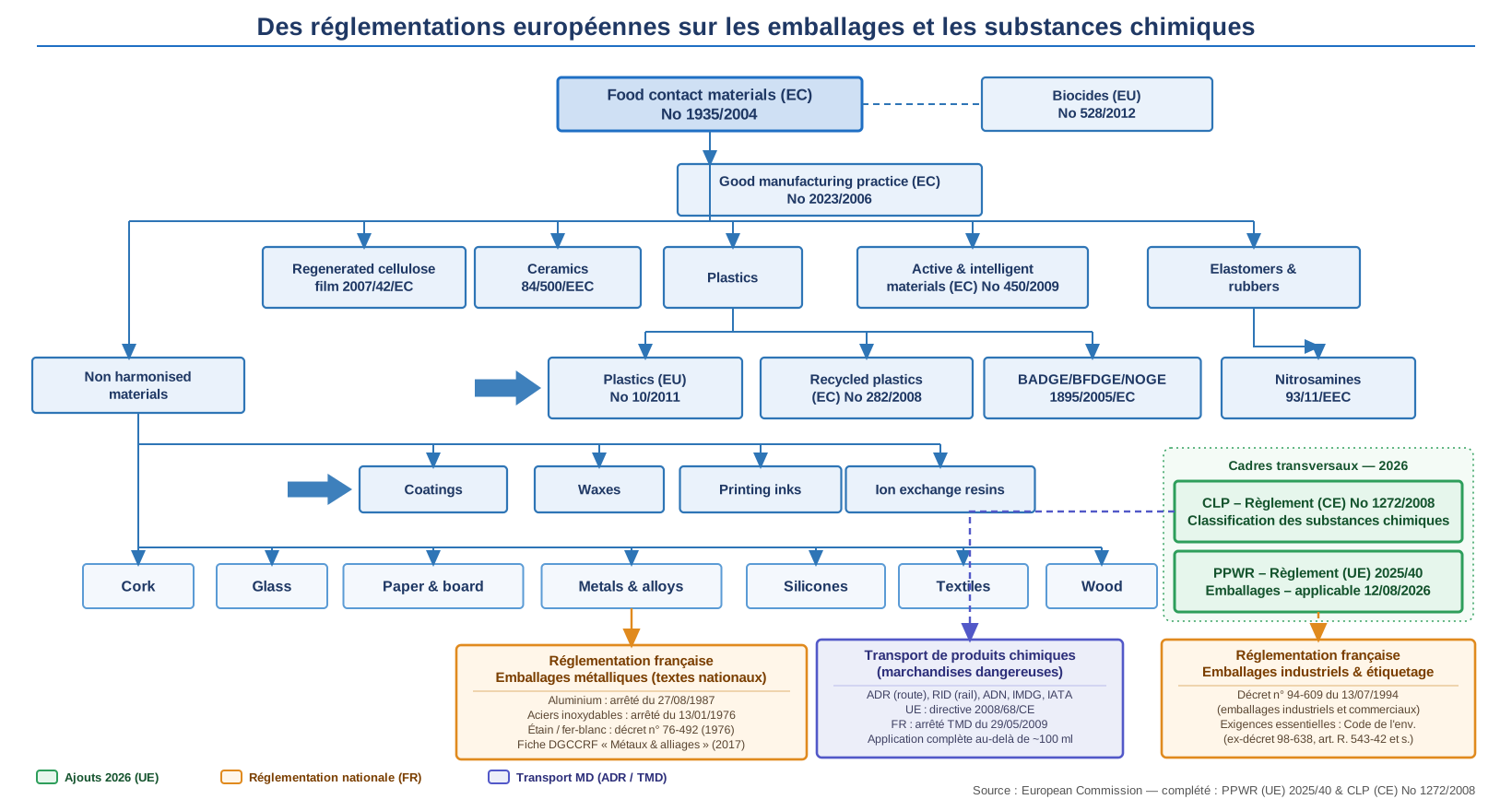
Reference texts: Regulation (EC) No. 10/2011 and regulations on metals
For packaging, Regulation (EC) No. 10/2011 remains the reference. Designed to address food-contact suitability issues for plastic materials under strict conditions of use, it requires the conditions of use to be qualified: does the product need to be heated, must it be kept at low temperature, and under which specific use cases?
For metal packaging such as aluminum, France relies on a 1973 text defining the food-contact suitability characteristics of this metal for packaging foodstuffs. If the aluminum contains a BPA-free polyester coating, then Regulation (EC) No. 10/2011 on plastic packaging must be applied again. The regulatory diagram below clearly illustrates the complexity of today’s regulations!
The key role of professional associations and certifications
Professional associations (SFP, SNPPF, PAM, SNIA, IFRA, COSMED, EFEO, IFEAT, SNBF and ELIPSO, the association for metal packaging and plastics processing) help manufacturers and their clients identify the types of tests to be carried out, and relay industry concerns to lawmakers.
Each country implements tools to simplify procedures: in France, the ANIA certificate is a suitable format for qualifying the food-contact suitability of packaging and issuing a declaration of fitness for food contact.
REACH and CLP: the emblematic example of lavender essential oil
The implementation of the REACH regulation mobilized the perfume plant sector for a long time.
In force since 2007, REACH identifies and lists prohibited chemical substances or those likely to be restricted.
The profession mobilized to convince and demonstrate that the hazard classification of lavender essential oil, which contains around 800 molecules, could not be based on the presence of a single hazardous molecule. Indeed, the chemical principle of chelation shows that lavender molecules, when associated with one another, neutralize each other.
This awareness-raising among authorities through scientific demonstration helped convince lawmakers to amend the European CLP Regulation, concerning the classification, labelling and packaging of substances and mixtures, under the authority of the European Chemicals Agency (ECHA), which issued a derogation on December 5, 2023, concerning essential oils and the hazard labelling of their packaging.
The materials are listed by IFRA according to the following criteria:
- Chemical family / CAS number, conditions of use and dilution, filling conditions
- Shelf life and use cases, REACH classification (…) and Cosmetics Regulation.
With the guiding objective of ensuring that the organoleptic characteristics of the essential oil or perfume remain unchanged, and can be explained to lawmakers and users.
2. A high level of industrial complexity in response to new requirements
Faced with this changing regulatory environment, manufacturers of raw materials for perfumery and flavors are taking action to achieve compliance, but some choices are impossible: using a bottle or drum with a Bisphenol N-I (non-intentionally added) coating is compliant, BUT it is essential to ensure that this substitute coating is resistant to the most aggressive essential oils and does not release microparticles, or even significant pieces of coating, into the essential oil.
A considerable volume of testing
The largest companies in the F&F sector can handle the volume of testing and ask packaging manufacturers to share the cost of trials in order to validate alternatives, focusing on the most challenging products, such as cinnamon, citrus fruits, and others.
Manufacturers’ laboratory capacities are limited, and testing represents a truly monumental undertaking: out of 3,000 materials, the most difficult ones to package must be selected. Even when narrowing the selection down to 5 materials, several kilos of product are needed to allow observation over 6 months, with samples periodically removed from an oven at 40°C to validate the behavior of the packaging being tested.
Space, an oven, laboratory staff, and time are all required. And this is only a simple aging test. To go further, equipment is needed to analyze and demonstrate the absence of content-container interaction. This equipment is already heavily used for chromatography and quality control.
How long should testing last? How can we ensure that the result obtained is satisfactory? And above all, how can other changes be anticipated so that everything does not have to be tested all over again?
The long timescale of the profession versus the short timescale of regulation
Moving from wood to terracotta, to leather or bladder, from stone to glass, from iron to copper, from copper to glass, then from glass to tinplate, then from glass to aluminum, and finally from bare aluminum to coated aluminum… took generations. Aromatic substances can be stored for years, while compliance deadlines are short: for the PPWR, for example, July 2026.
Examples from agrochemicals and the perfume plant sector
Let us take a look at other sectors: examples from the past often help us better understand the present.
The agrochemical sector also changed its packaging materials in the 1970s and 1980s. With the promotion of plastic packaging by some major manufacturers of phytosanitary products, who produced these plastics themselves, metal was largely replaced in the agro-industry. The ease of manufacturing new shapes at lower cost enabled a rapid change, widely supported by the industry itself. It was only in the 2000s that regulations required farmers to collect and rinse empty packaging before having it collected by cooperatives, instead of burning it in the fields.
Issues of permeation through plastic walls and the diffusion of microparticles into the environment are better understood today, revealing the flaws of materials that were previously considered perfect.
For the flavors and fragrances industry and its sectors, changing packaging often means rediscovering the virtues of materials such as metal, even though it had been considered obsolete in the 20th century.
Lawmakers must have a detailed understanding of the issues when drafting legislation; their aim is to make sectors more responsible in order to protect consumers and the environment. By working at the European level, the profession was able to effectively defend the interests of the essential oils sector: as seen above with the case of lavender essential oil under the European REACH Regulation. This approach helped ensure the long-term future of the lavender sector thanks to a change in hazard classification by lawmakers.
This clearly shows the effectiveness of collective organization in influencing debates.
3. Content-container interactions and chemical compatibility: a major challenge for manufacturers
Changing packaging material: industrial constraints
The concepts of interaction and compatibility with a new packaging material arise when there is a specific compatibility issue or a new regulation.
By banning certain chemical components in food-contact materials, such as PFAS or Bisphenol A, and provided that this change of material is validated for packaging the products concerned by the regulation, it becomes necessary to find a manufacturer capable of supplying the new material, or the new finish, in sufficient quality and quantity within the allotted time, and at a reasonable price.
In addition, the new material, or its modification, must be implemented for the long term, given the costs and difficulties involved in any change.
Packaging manufacturers often supply several different markets in order to achieve sufficient production volumes, and must meet different technical and regulatory requirements depending on whether they serve the automotive, food, or perfume industries.
The substitute material must be affordable. In the plastics industry, for example, recycled material can be more expensive than virgin material. Is sourcing recycled material technically relevant and financially sustainable? These choices are difficult, given the responsibilities placed on packaging manufacturers.
To avoid these risks, packaging users could be tempted to transfer entire parts of their distillation, extraction, and perfume and flavor composition activities to regions where regulations do not apply, or apply only minimally. These regions are becoming new “hubs” for the production of essential oils and perfumes intended for consumers in those same regions. The question can be pushed to the extreme: should 3,000 products be retested with the new packaging material, or should raw materials and perfumes be produced differently, and above all, elsewhere? In this way, regulation comes into direct conflict with the profession and may ultimately not only regulate it, but also drive activities outside the territory where the regulation applies.
What criteria should be followed when changing packaging material?
Knowledge of chemistry is required, and records of previous tests are not always available. In addition, conclusions may vary from case to case.
Take the example of water, which can have a more or less pronounced effect on metal packaging depending on its pH. Compatibility data listed in the guide from the American Aluminum Association indicates, on the WATER page, that “drinking water can corrode aluminum to a greater or lesser extent, but this phenomenon varies depending on the amount of minerals present in the water. This pitting phenomenon decreases over time.”
To the question “is there an interaction?”: at the beginning of transporting or packaging water in aluminum pipes, the answer may be yes, then no, once slight oxidation reduces and eventually eliminates the phenomenon. Storage duration is therefore essential.
The evolution of consumer packaging materials shows how manufacturers have been able to introduce new types of packaging to the public: moving from glass to PET, from the stoneware water bottle used in 1800 to tinplate and then to aluminum a century later, reflects the evolution of society and the development of trades, followed by the packaging industry.
The emergence of sterilization went hand in hand with the development of milk cartons, which almost completely replaced glass bottles. This led to a profound change in distribution channels, contributed significantly to improved sanitary conditions, and also helped make their use widespread.
Major trends in consumer packaging greatly influence the direction taken for professional packaging materials.
The three major technical aspects to consider
The content: the packager must have detailed knowledge of the product’s chemical composition, its classification according to UN recommendations, its flash point, and the packaging and usage instructions, including weight and the maximum quantity authorized for transport. All these elements guide the choice of packaging material.
The physical storage conditions will also guide the choices: whether the material needs to be kept cool at -5°C, or whether it must be possible to heat the material in its original packaging, with metal being mandatory for a water bath, for example.
The expected performance and use-by date: storage duration plays a major role in the choice of material. Metal will be preferred for long-term preservation, while plastic will be intended for industrial uses or short-term applications.
The main objective is to preserve the organoleptic and performance characteristics of the perfume and the material for as long as possible.
Interaction: in a perfume or essential oil, odorant substances tend to attach themselves and escape. Part of the essence impregnates and spreads, while another part becomes scent. Citrus essential oil specialists know this well: terpenes found in citrus extracts can attack coatings; cinnamon, thyme, and geranium essential oils are also considered difficult to package.
This is why, once the appropriate material has been identified, it is not changed.
4. Content-container interactions: what should be looked for and how should it be measured?
Identifying the origin of undesirable substances
When studying an interaction phenomenon, traces of undesirable substances are observed and sought in the product, with the aim of demonstrating whether or not they come from the packaging.
With allergens present in essential oils or perfumes, regulatory requirements may seem paradoxical: people with allergies are attracted to organic products, and therefore to natural materials used in perfumes and flavors.
However, it must be accepted that natural compounds can be allergenic at high doses, and that successive transformations generate natural traces: from the soil to the plant, from the petals to the essential oil, from the essential oil to the perfume, and from the perfume to the skin or the flavoring to the body.
The liquids contained carry traces of the packaging with them, but in tiny quantities that are difficult to measure, even when the packaging material is compatible and the extraction and rectification processes have sufficiently purified the material.
The materials used, whether oak barrels, stainless steel, or glass, have proven their worth in their respective sectors, such as wine and cooking; porcelain has as well.
Sterilization, hygiene, and interactions
The emergence of sterilization goes hand in hand with better food preservation. For example, UHT sterilized milk in multilayer cartons has almost completely replaced the glass bottle, resulting in a profound change in distribution channels, contributing significantly to improved sanitary conditions and making its use more widespread.
A coffee mug that has been rinsed but not washed again with detergent will naturally oxidize and neutralize any possible interactions between the packaging and the coffee or tea, as with our aluminum pipe used to transport water, according to the well-known principle of seasoning, which cooking professionals also apply to their utensils.
Major trends in regulations related to food packaging are influenced by hygiene rules which, when interpreted, can prove critical. There are many misconceptions in a broader context where technical and scientific aspects are set aside.
Precise measurement: the example of Bisphenol A
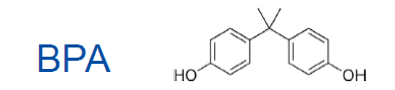
Let us take the example of Bisphenol A: how can traces present in aromatic compositions be measured? European lawmakers set the maximum limit for traces of Bisphenol A in food products at 1 mg/cc. However, measurement resources are not widely available on most industrial sites; only advanced laboratories can work at such low detection limits.
Measuring tiny migrations from packaging, which itself is located in an environment where these substances may already be widely present, requires advanced laboratory equipment, such as a mass spectrometer capable of precise measurements, whereas in most cases laboratories are equipped with standard chromatography devices.
Liability and interaction: who is responsible in the event of a problem?
If traces of prohibited substances are found in the packaging and migrate as a result of an interaction, who is responsible? Lawmakers do not hesitate to have suspicious packaging withdrawn if doubts arise.
Current case law assigns liability 50/50 between the packaging manufacturer and the packager.
Legally, they must prove that they cooperated and exchanged information. Particular attention is paid to greenwashing when claims cannot be substantiated.
Liability is incurred if risky packaging is knowingly used.
The main manufacturers of packaging materials have published documents listing the level of compatibility between, for example, materials and reference substances, grouped by major families such as solvents and reagents, and their packaging materials: HDPE, EVOH, SOARNOL, PP, ALU, 316 stainless steel, etc.
5. What solutions are there to address the challenges of chemical compatibility?
Only professional organizations and governments, alerted by industry leaders, can make progress by mobilizing resources.
For example, the federation of aluminum manufacturers publishes a summary listing numerous materials and chemical products and their compatibility with aluminum
Rushing the implementation of new rules and optimizing production costs can give rise to new health risks if a minimum amount of time is not devoted to studying interaction phenomena.
Technical knowledge in chemistry and physics, as well as in biology and agronomy, is essential in order to provide lawmakers and policymakers with relevant information that helps protect citizens and the environment.
At the same time, economic challenges must be taken into account on a global scale, not only at the French or European level. The lack of technical solutions to ecological and health challenges places both industries, packaging and aromatic raw materials, before difficult choices.
Conclusion: industrializing perfumes and flavors differently?
Will the many natural or synthetic materials used in the world of perfumes and flavors survive these developments? In a field where recipes and formulas require slow maturation, it is clear that decisions to change packaging materials are complex, and their consequences irreversible.
Production sectors will have to make difficult choices between putting the performance of the packaging material at risk in order to comply with regulations, and preserving the precious content.
Whether upstream, transporting rose petals in a canvas bag or a basket, then, after distillation or extraction, packaging the precious material in an affordable, lightweight and compatible material, or one with as little interaction as possible, then, once the composition is complete, placing it in another transport packaging, before finally filling glass or metal vials and bottles for the final sale of the diluted product…
Industrialization is likely to become increasingly difficult and risky, with a trend toward a return to the original use of perfumes: bespoke and exclusive creations.
Bertrand d’ARRENTIÈRES,
and the Tournaire teams.